
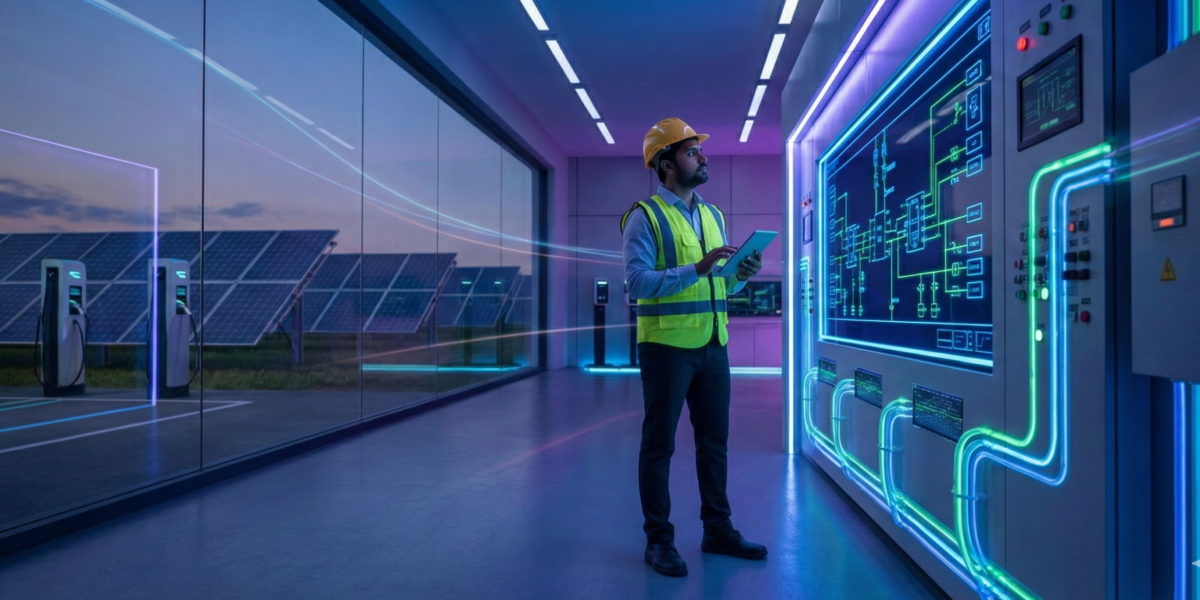
India Is Powering the Future but Running Out of Electrical Engineers
India is aggressively expanding renewable energy, automation, EV charging infrastructure, and electronics manufacturing, yet the country is facing a serious shortage of skilled electrical and electronics engineers.
Solar plants are coming up. Factories are getting automated. Electric vehicles are multiplying.
But the number of engineers who actually understand power systems, control systems, and electronics is not growing fast enough.
That gap is turning Electrical and Electronics Engineering into one of the most stable and future proof careers in India.
Why Electrical and Electronics Engineering Still Runs the Country
From electricity generation to the smartphone in your hand, this stream quietly powers modern India. Electrical and Electronics engineers work behind the scenes, making sure systems are safe, efficient, and reliable.
If you enjoy
• Circuits and systems
• Understanding how machines and devices work
• Applying theory to real world technology
• Working in sectors that never shut down
this field offers both stability and innovation.
Unlike trend based careers, electricity and electronics are fundamental needs. As long as India grows, this domain stays relevant.
India’s Growth Is Creating Massive Demand
India is currently investing heavily in
• Renewable energy and solar power
• EV charging infrastructure
• Industrial automation
• Smart grids and power distribution
• Electronics and semiconductor manufacturing
Each of these areas requires skilled electrical and electronics engineers. This is not a short term trend. It is a long term national priority.
Job Opportunities in India That Actually Exist
This stream opens doors across multiple industries.
- Electrical Design Engineer planning systems
• Power Systems Engineer managing generation and distribution
• Automation Engineer working with PLC and control systems
• Embedded Systems Engineer building smart devices
• Maintenance Engineer ensuring reliability and safety
These roles are available in power companies, manufacturing plants, renewable energy firms, automation companies, and electronics manufacturers.
Career Growth and Salary Reality in India
Let us talk numbers.
Freshers usually earn between ₹3.5 to ₹6 LPA.
With experience and specialization, engineers earn ₹8 to ₹18 LPA.
Experts in automation, renewables, and advanced electronics earn even more.
The biggest salary growth comes when engineers move from general roles to specialized domains such as power systems, automation, renewable energy, and electronics applications, where practical exposure and industry-aligned training play a critical role.
You can explore how these job-ready electrical and electronics skills are built here:
👉 https://skillacross.com/electrical/
Is Electrical and Electronics Engineering Tough
It does require strong conceptual clarity. Subjects like circuits, machines, and control systems demand understanding, not memorization.
But with consistent practice and hands on learning, it becomes manageable and rewarding.
Is Software Replacing Electrical Jobs
No. Software is not replacing electrical engineering.
It is enhancing it.
Modern electrical roles combine hardware knowledge with software tools. Engineers who understand both have the strongest career advantage.
FAQs Students Commonly Ask
Is EEE tough to study
It requires conceptual clarity but is manageable with practice.
Is software replacing electrical jobs
No. Software complements but cannot replace core electrical roles.
The Bottom Line
India’s future runs on electricity, automation, and electronics.
And behind all of it are skilled electrical and electronics engineers.
If you want a career that offers stability, national importance, and long term growth, Electrical and Electronics Engineering remains one of the smartest choices you can make today.
The real challenge is not finding jobs.
It is building the right skills to power India’s next phase of growth.
